
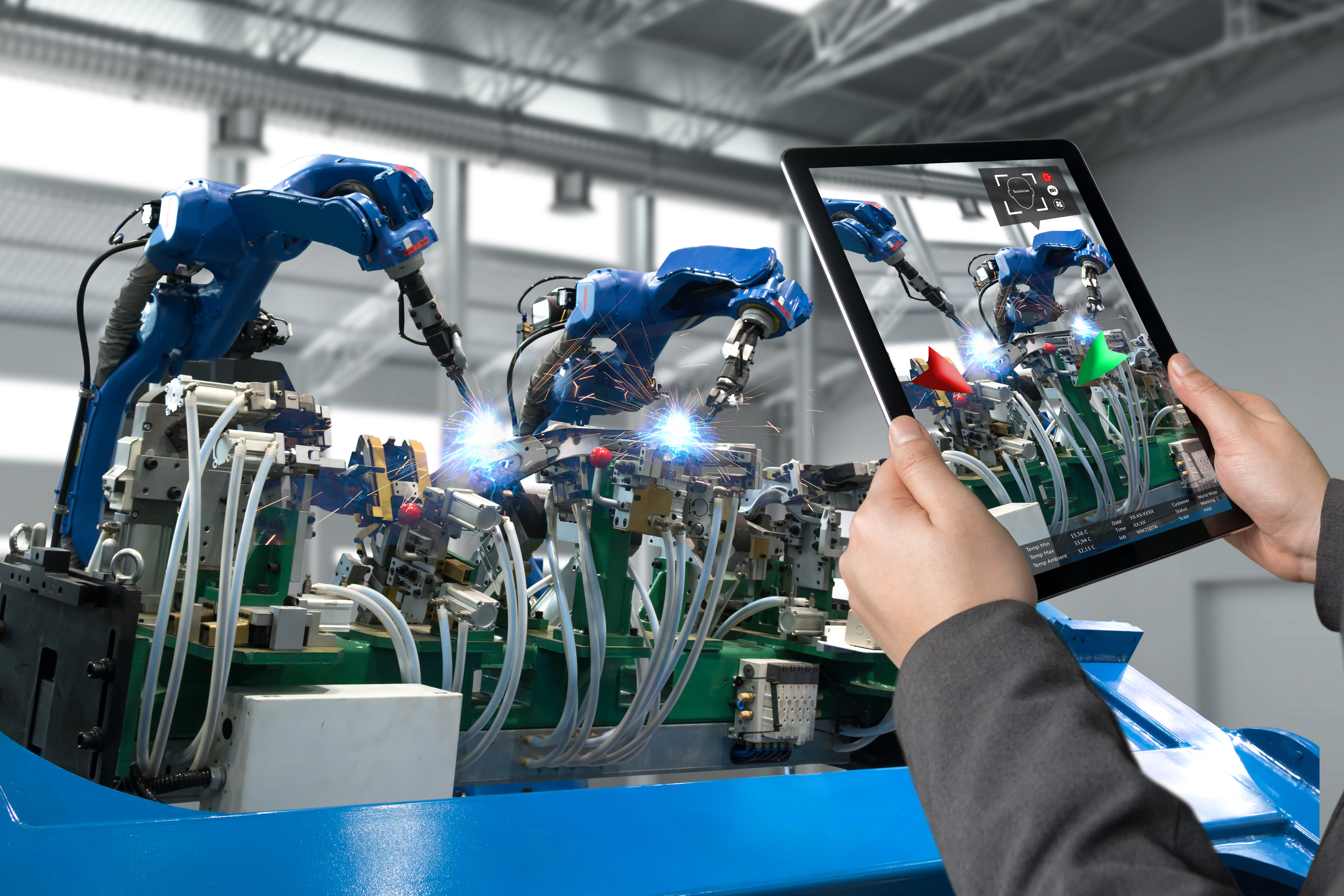
A digital flow
Submitted by:
Sara Waddington
Enterprise Resource Planning (ERP) systems have become indispensable for businesses looking to stay competitive in today’s dynamic marketplace. They are valuable tools for streamlining and automating the activities needed by manufacturers, providing a comprehensive view of operations.
====
From engineering and planning to production and quality control, manufacturing software packages offer the tools needed by manufacturers. These suites can be used, for example, to streamline product design and configuration; track and manage product components; automate production scheduling; accelerate the manufacturing process and improve product quality. The increasing digitalisation of manufacturing and favourable government policies for digital technology software implementation have spurred the adoption of manufacturing software packages.
“An Enterprise Resource Planning (ERP) system is designed to manage all aspects of a manufacturing business including production; planning; purchasing; manufacturing; sales; distribution; accounting and customer service. ERP software is invaluable for manufacturers of all sizes, including small businesses, as this fully integrated system provides a comprehensive view of business operations,” commented Genius ERP.
By integrating all business processes and data into a unified system, ERPs help manufacturers to streamline production and enhance their overall efficiency. This allows small businesses to operate with the same level of efficiency and effectiveness as larger enterprises.
Manufacturing software solutions can provide real-time access to accurate business intelligence to help ensure better resource planning, scheduling and tracking, as well as supporting lean manufacturing operations. Robust, scalable, modular tools for process, material and throughput optimisation enable manufacturers to align their production goals with cash flow and profitability objectives.
Benefits such as ease of workflow, less turnaround time and high production capability provide transparency, allowing managers to gain better insights and make effective decisions. A centralised solution can manage a variety of business processes including finance and accounting, sales and marketing, and procurement and supply chain.
ERP market growth
According to analyst Grand View Research, the global ERP software market size was estimated at US$ 64.83 billion in 2024 and is projected to reach US$ 123.41 billion by 2030, growing at a CAGR of 11.7% from 2025 to 2030. The increasing demand for data-driven decision-making and streamlined operations across various industries is driving market growth.
“The increasing adoption of mobile and cloud applications is a major growth driver for the ERP software industry, as these technologies enable unprecedented accessibility, flexibility and scalability. Mobile ERP apps allow employees to access critical data and perform tasks from anywhere, significantly enhancing productivity by enabling real-time decision-making and ‘on-the-go’ task management. Cloud-based ERP solutions reduce infrastructure costs and provide scalable, subscription-based options, making ERP systems more affordable and accessible to small and medium-sized businesses. Cloud ERP also enables seamless data sharing across departments, fostering better collaboration and allowing businesses to quickly adapt to changes,” outlined the analyst.
The analyst expects the cloud segment to grow at a CAGR of 13.5% over the forecast period due to the increasing demand for digital transformation across industries. Companies are looking to modernise their processes and adopt digital solutions to stay competitive, and cloud ERP offers an efficient, scalable and flexible option. With cloud ERP, organisations can remotely manage core business functions such as finance, HR, procurement and supply chain management without investing heavily in IT infrastructure.
To read the rest of this article in the December 2025/January 2026 issue of ISMR, see https://joom.ag/X3Ed/p42