
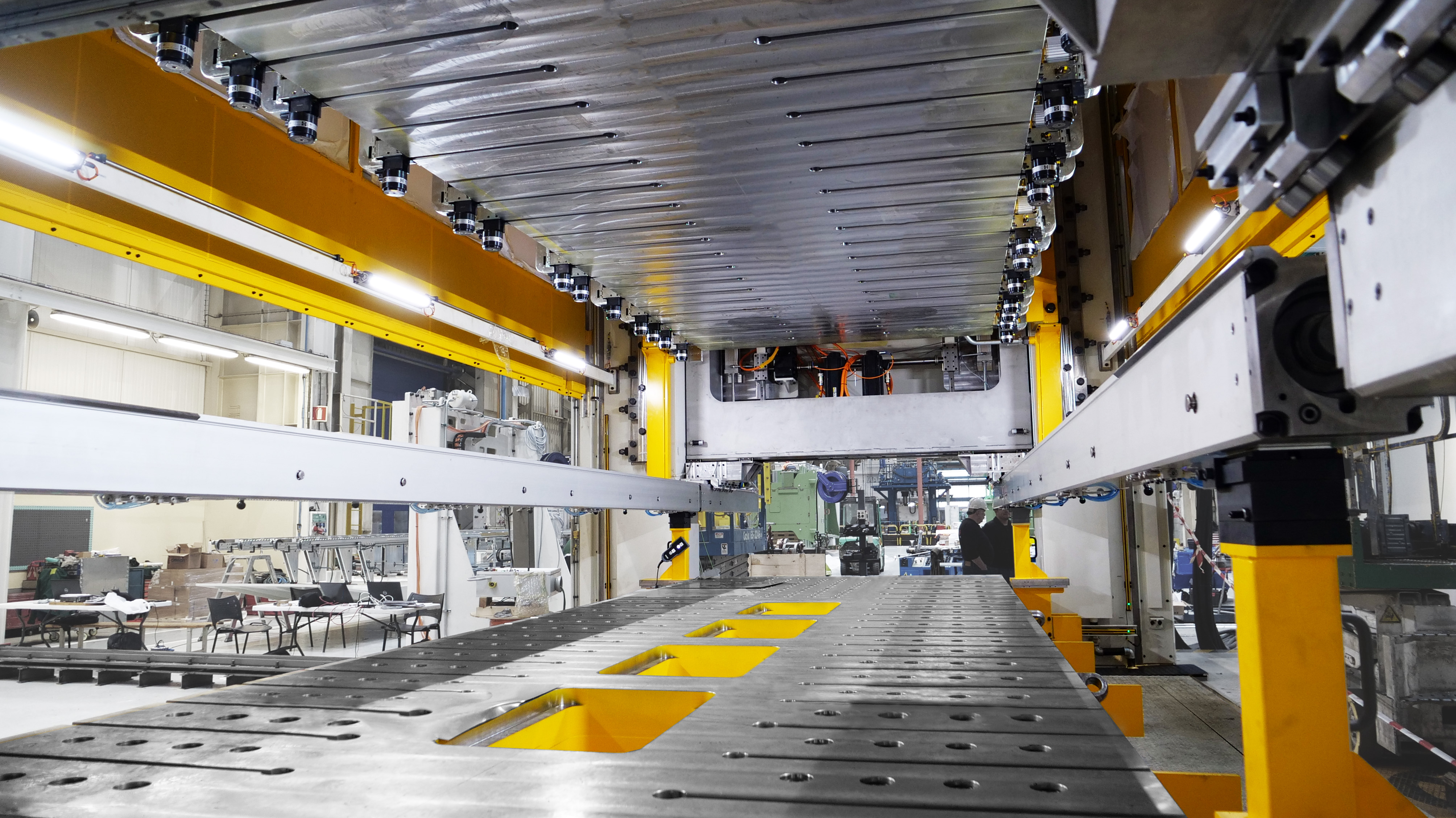
Metal stamping in the spotlight
Submitted by:
Sara Waddington
We highlight global market trends, drivers and technology innovations for power press users in the September issue of ISMR.
===
Metal stamping, or pressing, converts flat metal sheet (or blanks), as well as coil, into specific shapes. It is a complex process that includes several metal forming techniques such as blanking; punching; flanging; drawing; embossing; trimming; coining and piercing. Stamping dies are the tools that shape and cut sheet metal parts.
Some of the most common types of metal stamping machines include mechanical, hydraulic, hydroforming and servo presses that are fitted with multiple dies to cut and shape metal sheets of stainless steel and metals such as aluminium, zinc and copper. Better control, greater speed and versatility, shorter cycle times and higher energy savings are just some of the hallmarks of the latest technologies.
“Metal stamping is a manufacturing process that holds precision at its very core. It’s a repeatable process that guarantees little to no variation between parts, ensuring peace of mind for a customer. Particularly for high-volume production runs, metal stamping can be a highly efficient solution. After initial set-up cost and tooling investment, metal stamping is a highly economical method of production. Using automated manufacturing methods, the cost per part can be dramatically reduced,” said stamping specialist, Brandauer.
The global power press market is characterised by a mix of long-established industrial groups and newer technology-focused entrants. Press manufacturers are differentiating themselves through modular design concepts that allow presses to be customised for specific applications. Servo-driven systems, hybrid hydraulic-electric configuration and advanced CNC controls are now common in the portfolios of top-tier suppliers. These innovations enable precision, lower energy consumption and better adaptability to diverse production requirements.
To read the rest of this article in the September 2026 issue of ISMR, see https://joom.ag/Ozfd/p30