
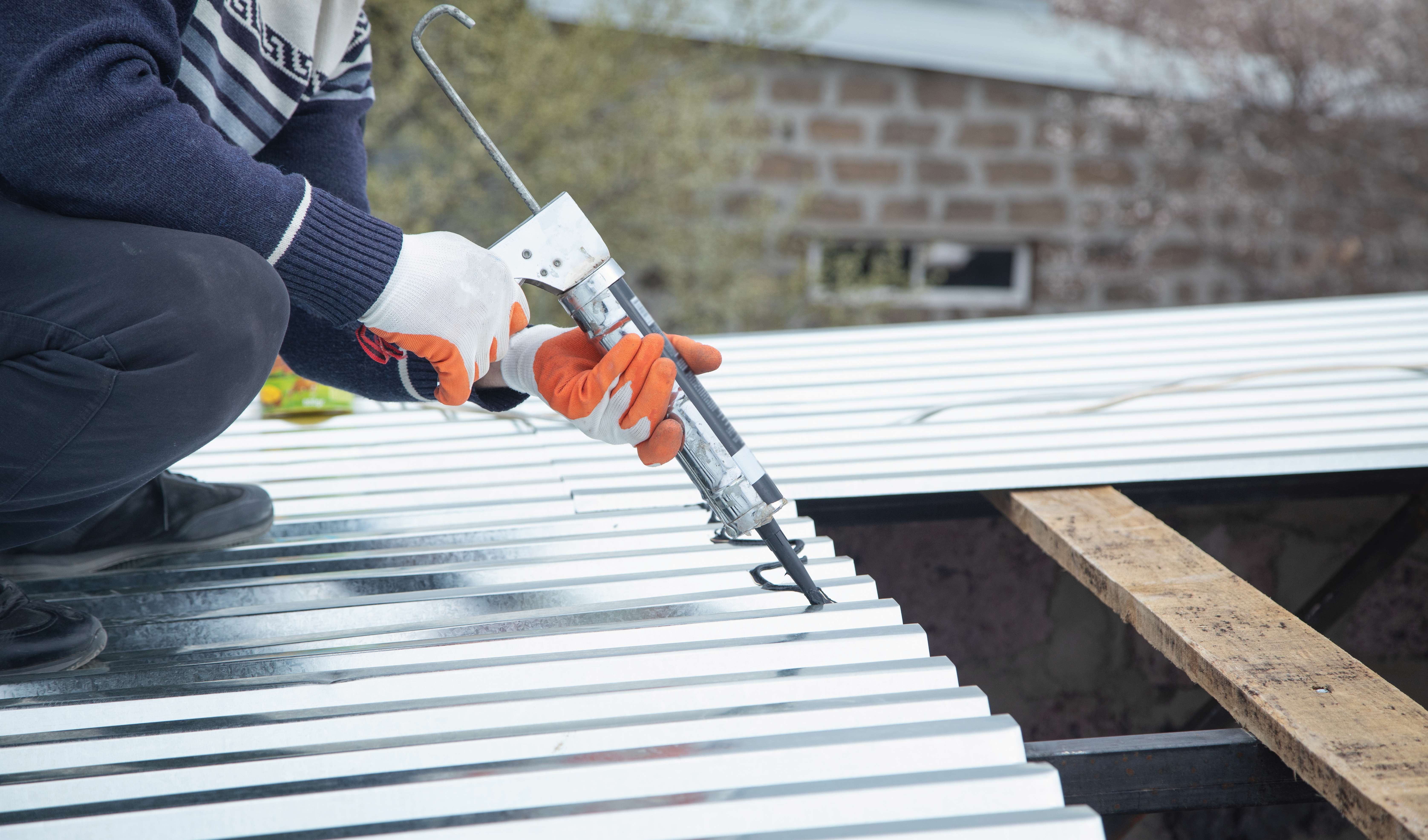
The benefits of metal bonding
Submitted by:
Sara Waddington
Bonding can be a strong alternative to welding, screwing or riveting. We outline the benefits of metal bonding technologies for a wide range of applications in the April 2026 issue of ISMR.
===
Metal is relatively well suited for bonding. Nevertheless, it is important to find the right product for the corresponding application. The choice of adhesive, a load analysis and potential surface treatment are decisive factors for a good bond. Bonding can then be a strong alternative to welding, screwing or riveting. The process offers benefits that are used today in mechanical engineering, vehicle construction, architecture or the electrical industry.
“A wide range of metal adhesives or adhesive tapes is available for bonding metals to each other or to other composite materials: for high-tensile shear strength, as well as for good temperature and chemical resistance or dynamic loads,” explained bonding specialist, 3M.
“Not only when bonding metals does the selection of adhesives or adhesive tapes strongly depend upon the energy of the surface to be bonded. Surface energy is a measure of how well an adhesive can adhere to the surface to be bonded. Compared to many plastics, metals have a high surface energy of between 1,000 and 5,000mN/m and are therefore suitable for good wetting with adhesives,” it added.
Adhesives and sealants
An adhesive is a compound that adheres or bonds two or more substrates together. Adhesives may come from either natural or synthetic sources.
“The strength of attachment, or adhesion, between an adhesive and its substrate depends upon many factors. Adhesion may occur either by mechanical means, in which the adhesive works its way into small pores of the substrate, or by one of several other chemical mechanisms. In some cases an actual chemical bond occurs between adhesive and substrate. In others, intermolecular forces (like van der Waals) hold the substances together. A third involves the moisture-aided diffusion of the glue into the substrate, followed by hardening. Good wetting of the surface is a pre-requisite for this kind of adhesion,” explained FEICA, the Association of the European Adhesive & Sealant Industry.
A sealant is a soft, pliable material that is used to seal cracks or joints where structural strength is not required. The sealant, initially a fluid or semi-fluid, or alternatively hot applied, placed between two opposing solid materials, becomes solid itself (by solvent evaporation, chemical reaction or both) and bonds to the surfaces to which it is applied. It therefore accommodates joint movement without adhesion loss. The sealant purpose is to prevent excessive absorption of water, penetration of other liquids, gaseous substances or airborne particulates. A sealant has the adhesive and cohesive properties to form a permanent seal.
To read the rest of this article in the April 2026 issue of ISMR, see https://joom.ag/oVvd/p40